
Radiators & heating
Warm rooms, quiet pipes
New and replacement radiators, designer towel rails and moving radiators, fitted neatly and balanced so every room heats up.
Radiator work
The right radiator, in the right place
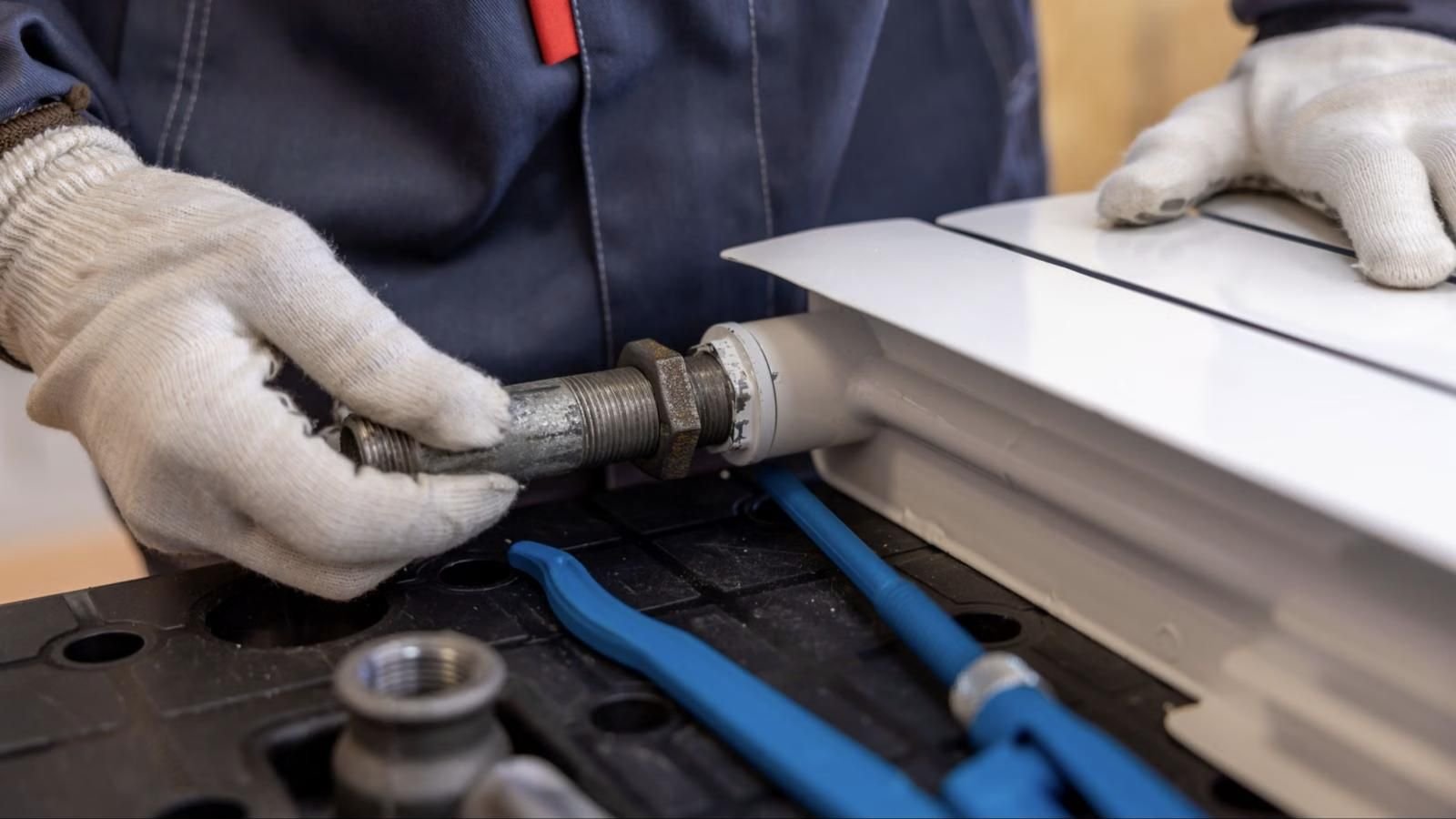
Old radiators that take an age to warm up, a towel rail that barely gets warm, or a radiator stuck behind the sofa: Loui can replace, upgrade or move them, with neat pipework that's clipped and finished properly.
He'll help you pick a radiator with the right heat output for the room, so it's warm and not just good-looking. New radiators are fitted with thermostatic valves, filled, bled and checked for leaks before he leaves.
- New & replacement radiators
- Column & designer radiators
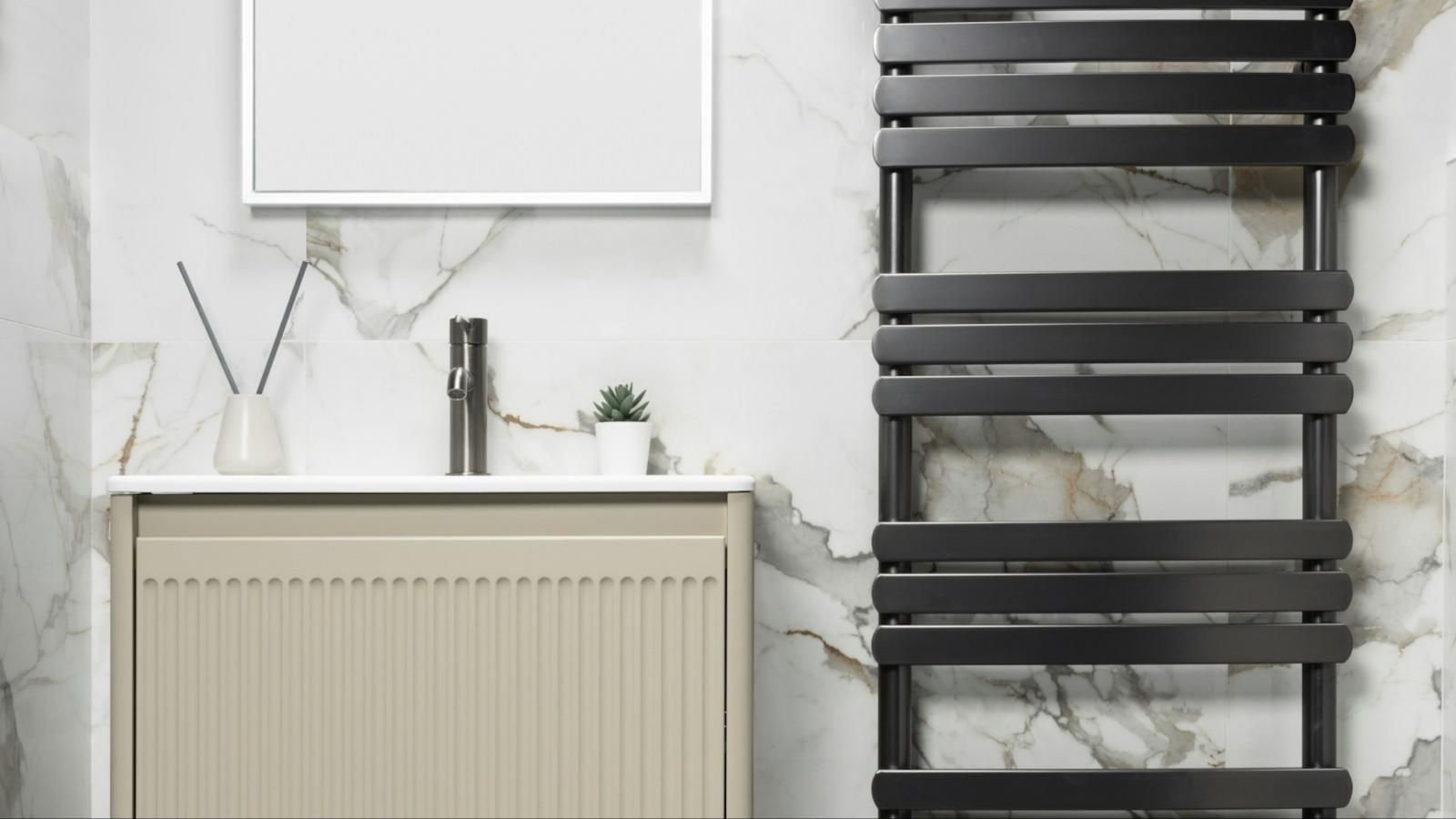
- Heated towel rails
- Moving radiators & new pipework
- Thermostatic radiator valves (TRVs)
- Radiator balancing & bleeding
- Cold spots & noisy pipes
- Leaking radiator valves
- Radiators removed for decorating
Choosing a radiator
Radiator types Loui fits
The right choice depends on the room, the wall space and the look you want. Loui will check the heat output each room needs.
Panel radiators
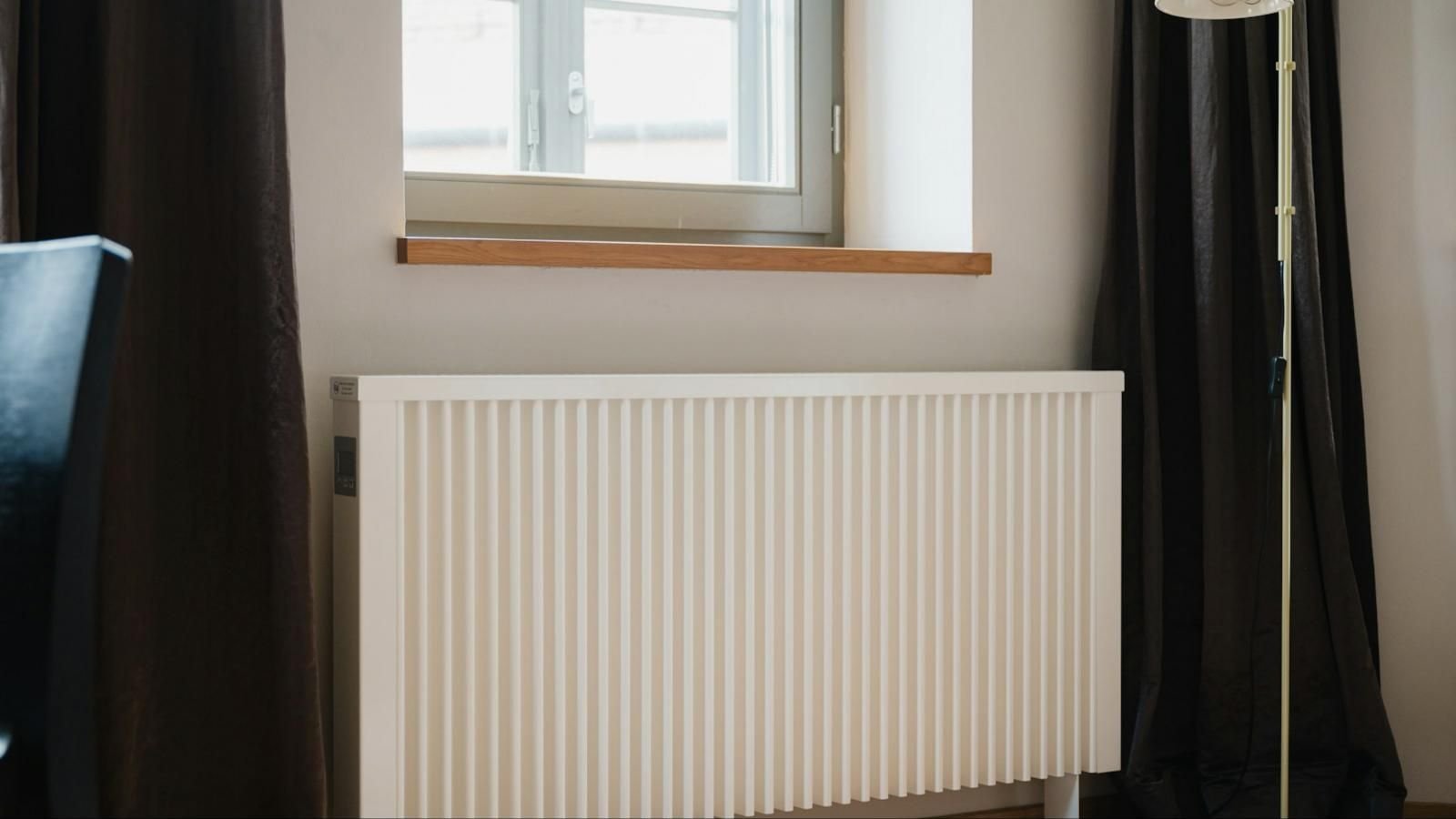
The everyday choice. Single, double or triple panels give lots of heat for their size and suit most rooms.
Column radiators
A traditional look that suits period homes and modern rooms alike, in white, anthracite and other colours.
Vertical radiators
Tall and slim, ideal where wall space under windows is limited, such as hallways and narrow kitchens.
Heated towel rails
Chrome, black or designer rails sized to warm your bathroom as well as your towels.
Thermostatic valves
TRVs let you set each room to the temperature you want, so you're not heating rooms you don't use.
Radiators moved
A radiator in the way of your plans can usually be moved, with new pipework run neatly to the new spot.
Signs your radiators need attention
Is your heating telling you something?
These are the most common signs that radiators or pipework need a look. Most are quick to sort.
- Cold at the top
- Cold at the bottom
- One radiator stays cold
- Some rooms never warm up
- Banging or gurgling pipes
- Drips from a valve
- Needs bleeding every few weeks
- Very slow to heat up
Getting the size right
Why heat output matters
Every radiator has a heat output, usually shown in watts or BTUs. A radiator that's too small for the room will run flat out and still leave you cold. One that's far too big can make a small room stuffy.
The right output depends on the size of the room, how many outside walls and windows it has, and how well it's insulated. Loui works this out for each room before recommending a radiator, so it looks right and keeps the room comfortable.
Radiators and heating across Hertfordshire
Including Welwyn Garden City, Welwyn, Hatfield, Hertford, St Albans, Stevenage, Harpenden, Potters Bar and surrounding areas.
Heating questions
Radiators, answered
How do I know what size radiator I need?
It depends on the room's size, windows and walls. Loui works out the heat output the room needs before recommending a radiator.
Can a radiator be moved to another wall?
Usually, yes. New pipework is run to the new position and the old pipes are capped off neatly.
Why is the top of my radiator cold?
That's often trapped air, and bleeding the radiator may sort it. If a radiator is cold at the bottom or some rooms never warm up, the system may need cleaning or balancing.
Can you take a radiator off so I can decorate?
Yes. The radiator is removed, the valves are capped, and it's refitted, filled and bled when you're done.
Can I swap my radiators for a different style?
Yes. Loui can match the pipe positions where possible, or adjust the pipework neatly if the new radiator is a different size.
Advice
Heating advice
Practical guides from Loui on common plumbing questions. See all advice
Radiator cold at the top or bottom? What it means and how to fix it
Where a radiator is cold tells you what is wrong with it. Here is how to read the signs, what you can sort yourself and when it needs a plumber.
Toilet keeps running? The common causes and how they are fixed
A running toilet can waste a surprising amount of water. Here is what is usually going on inside the cistern and how it gets fixed.
How to find and turn off your stopcock
If a pipe bursts, the stopcock is the first thing you need. Find yours now, before you need it in a hurry.